Press Releases
Rep. Weber Introduces Legislation to Establish Voluntary Standards for Environmental Packaging Claims
Washington,
December 17, 2025
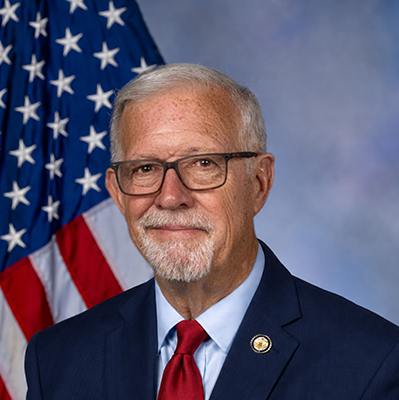
WASHINGTON, D.C. - Today, Congressman Randy Weber (TX-14) introduced the Packaging and Claims Knowledge (PACK) Act of 2025, commonsense legislation to establish the first voluntary federal standard for environmental claims on packaging and put an end to misleading “green” labels that confuse consumers and undermine real recycling efforts. Across the country, a patchwork of state regulations has resulted in unverified claims like “recyclable,” “compostable,” and “reusable” to appear on packaging, often without any connection to real-world recycling or composting systems. This confusion has made it harder for consumers to know what can actually be recycled and has weakened legitimate environmental initiatives. The PACK Act addresses this problem by promoting science-backed, industry-driven standards for environmental labeling. Under the legislation, companies may only make environmental claims if those claims are scientifically verified and recognized by existing recycling or composting programs, ensuring honesty and transparency without imposing new mandates. “Americans want to do the right thing, but misleading labels make that harder,” said Rep. Weber. “The PACK Act cuts through that confusion. It’s pro-environment, pro-business, and rooted in common sense, all while holding companies accountable and giving consumers clear, honest information they can trust.” Industry leaders praised the legislation’s approach. “AMERIPEN applauds Rep. Randy Weber for introducing the Packaging and Claims Knowledge (PACK) Act and supports the PACK Act’s creation of a federal framework for recyclable, compostable, and reusable claims for consumer packaging under the Federal Trade Commission (FTC),” said Lynn Dyer, President of AMERIPEN. “This new framework will address concerns with the patchwork of state regulations and its negative effect on interstate commerce and consumer awareness regarding management of consumer packaging. AMERIPEN will continue to support Congressman Weber as he moves this critical legislation through the House of Representatives.” “The Plastics Industry Association thanks Congressman Weber for introducing the PACK Act,” said Matt Seaholm, PLASTICS President and CEO. “Plastic packaging is essential to modern life—protecting products, keeping food fresh, and ensuring medical supplies arrive safely—yet companies and consumers are currently navigating a complex landscape of rules around recyclable, compostable, and reusable packaging claims. This growing patchwork not only creates regulatory uncertainty but also has the potential to increase costs and contribute to broader affordability concerns." “We welcome the introduction of the PACK Act for creating a single, national framework for packaging claims,” said Peter DePasquale, Vice President, Government Affairs, Keurig Dr Pepper. “By setting clear, national standards and certifications through credible third parties, this legislation helps ensure consumers receive accurate information while giving companies the consistency they need to innovate and accelerate investment in sustainable packaging solutions nationwide." Background: Packaging and labeling standards in the United States are increasingly influenced by state-level regulations, particularly those adopted in California. Because of the size of California’s market, standards set by the state can have national implications for manufacturers, supply chains, and consumers, even when companies operate primarily outside of California. This dynamic has raised concerns about regulatory consistency and the impact of state-specific requirements on interstate commerce. Read the full bill text here. |